Difference Between Hajj and Umrah: A Simple Guide
Hajj and Umrah are two significant religious pilgrimages in Islam that often leave people confused due to their similarities. While both involve visiting the holy city of Mecca, there are distinct differences in their timing, rituals, and significance. In this comprehensive guide, we will delve into the key difference between hajj and umrah, helping you understand the unique aspects of each pilgrimage.
Understanding Hajj
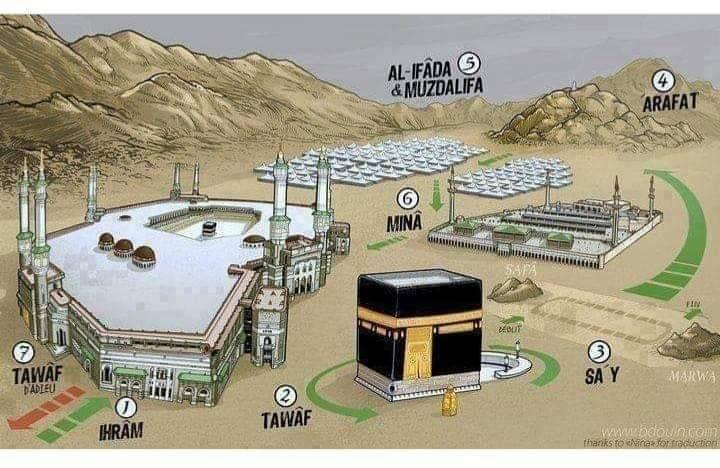
Hajj, considered the fifth pillar of Islam, is a mandatory pilgrimage for every able-bodied Muslim who can afford it. It is a spiritual journey that takes place during a specific period of the Islamic lunar calendar, usually in the month of Dhul-Hijjah. Hajj is a multi-day event that involves a series of rituals and practices designed to foster a sense of unity among Muslims worldwide.
Key Aspects of Hajj:
- Obligatory Nature: Hajj is a religious obligation for all Muslims who meet the necessary criteria.
- Timing: It occurs during the month of Dhul-Hijjah, a specific period determined by the Islamic lunar calendar.
- Rituals: Hajj involves a series of rituals, including the tawaf (circumambulation of the Kaaba), sa’i (walking between the hills of Safa and Marwa), and the stoning of Jamarat.
- Significance: Hajj is believed to cleanse the soul, seek forgiveness, and bring Muslims closer to Allah.
Understanding Umrah
Umrah, often referred to as the “lesser pilgrimage,” is a voluntary act of worship that can be performed at any time of the year except during the Hajj season. It is a shorter and less intricate pilgrimage compared to Hajj, but it still holds significant spiritual value. Umrah is a popular choice for Muslims who wish to seek blessings and purification.

Key Aspects of Umrah
- Voluntary Nature: Umrah is not mandatory like Hajj, but it is highly encouraged.
- Timing: It can be performed at any time of the year except during the Hajj season.
- Rituals: Umrah involves the tawaf and sa’i, similar to Hajj, but without the stoning of Jamarat.
- Significance: Umrah is believed to offer spiritual rewards, cleanse the soul, and bring Muslims closer to Allah.
Similarities between Hajj and Umrah
Despite their differences, Hajj and Umrah share some common elements:
- Destination: Both pilgrimages take place in Mecca, Saudi Arabia.
- Rituals: Both involve the tawaf and sa’i, although the context and timing may vary.
- Spiritual Significance: Both are considered acts of worship that can bring spiritual benefits and purification.
Key Differences Between Hajj and Umrah
The following table summarizes the key differences between Hajj and Umrah:
| Feature | Hajj | Umrah |
| Nature | Mandatory | Voluntary |
| Timing | Specific period during Dhul-Hijjah | Any time of the year except Hajj season |
| Rituals | Tawaf, sa’i, stoning of Jamarat | Tawaf, sa’i |
| Duration | Multiple days | Can be completed in a shorter period |
| Significance | Considered the fifth pillar of Islam, it cleanses the soul and seeks forgiveness. | Offers spiritual rewards and cleanses the soul. |
Conclusion
Hajj and Umrah are two distinct Islamic pilgrimages, each with its own unique significance and requirements. Hajj is a mandatory pilgrimage for Muslims, while Umrah is a voluntary act of worship. Both pilgrimages offer spiritual benefits and can bring Muslims closer to Allah. Understanding the key differences between these two pilgrimages can help you make informed decisions if you are considering undertaking either or both.